Day 3: Gouda to Dordrecht
Gouda to Dordrecht 51kms
Miracles do happen. It was a sunny day! Not exactly tropical weather but the sun was shining. As it was Saturday and sunny, all of the Netherlands were out on the bikeways. That resulted in a lot of oncoming bike warnings as some of our group (Humberto) like to ride on the wrong side of the path.
We rode through the Greenlands, called that for obvious reasons, and onto a ferry to cross the main canal. Only, the ferry doesn't run on Saturday. So to the horror of some of the group, we had to ride an extra 10 kms to catch another ferry.
Our goal was to see some of the remaining windmills, which are redundant now, but preserved for history. It was also the goal of the rest of the country, judging by the crowds. We paid an exorbitant fee of 21 euro each to view the museum and to climb inside one of the windmills. Those mill families did it tough.
It was so "hot" (20 degrees) that we had to have an ice cream and take off one layer of clothing. After returning to the boat and having dinner, we toured the city with our guide and the Brazilians. Fun times, no drinking involved.
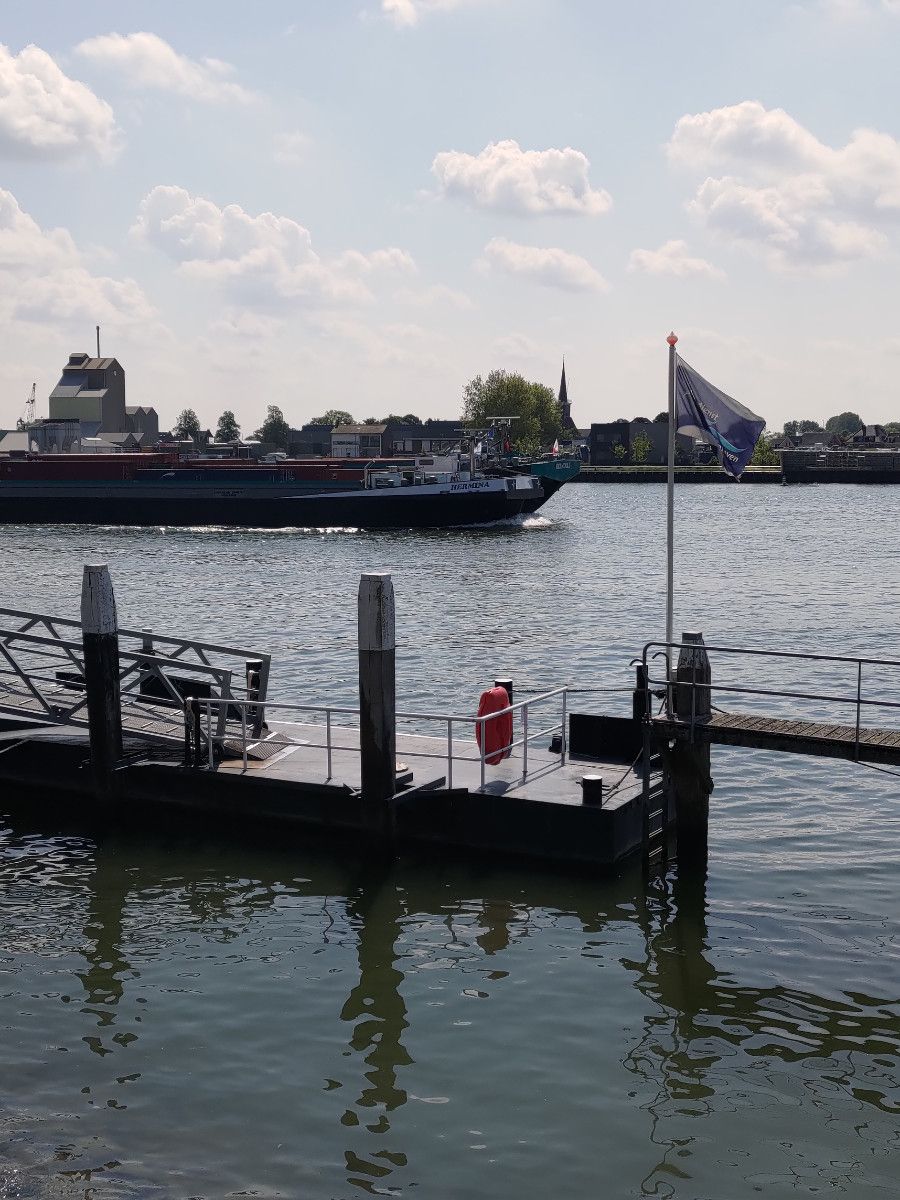
So many long barges transporting all manner of goods, sand, cars and just about everything else up and down the rivers and canals. Some massive barges powered by one large driving vessel have up to 9 large barges attached.
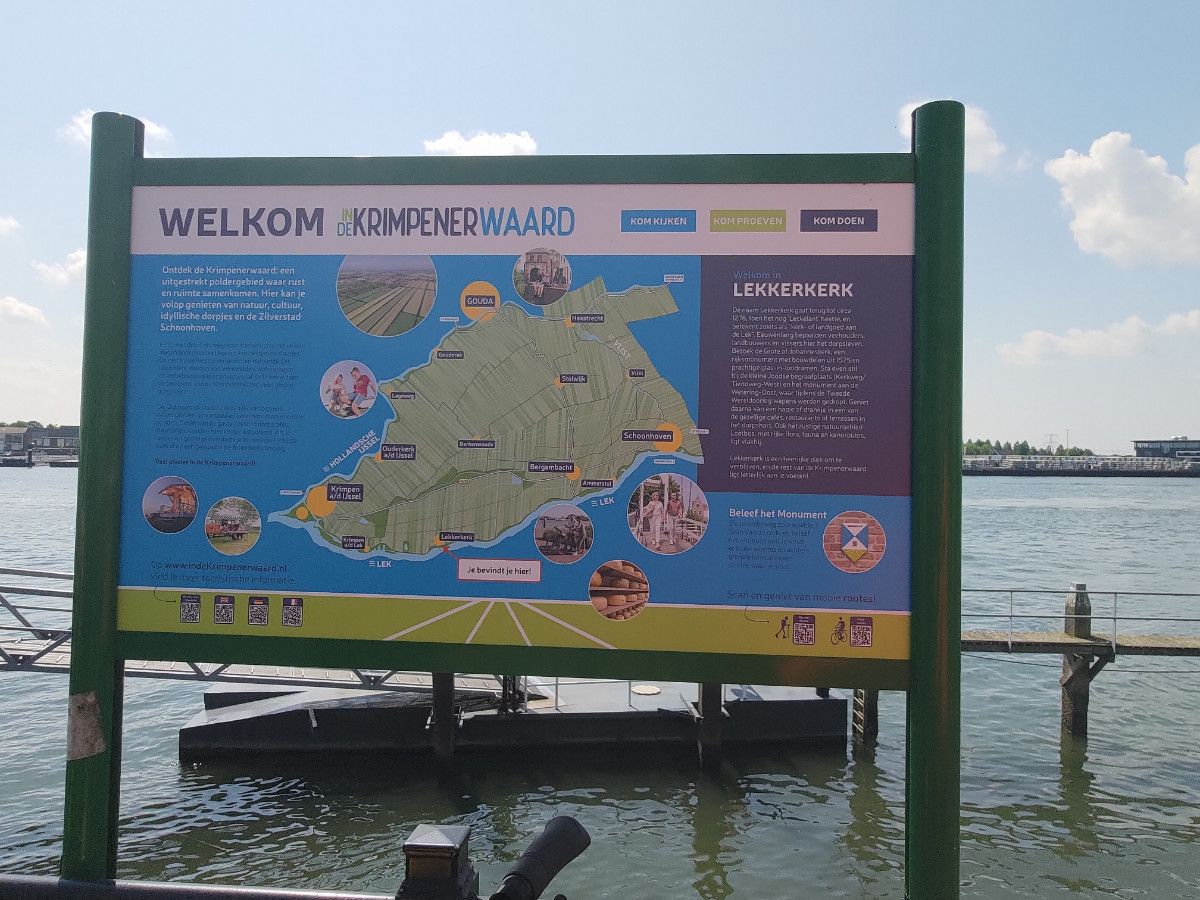
Love that name: Lekkerkerk.
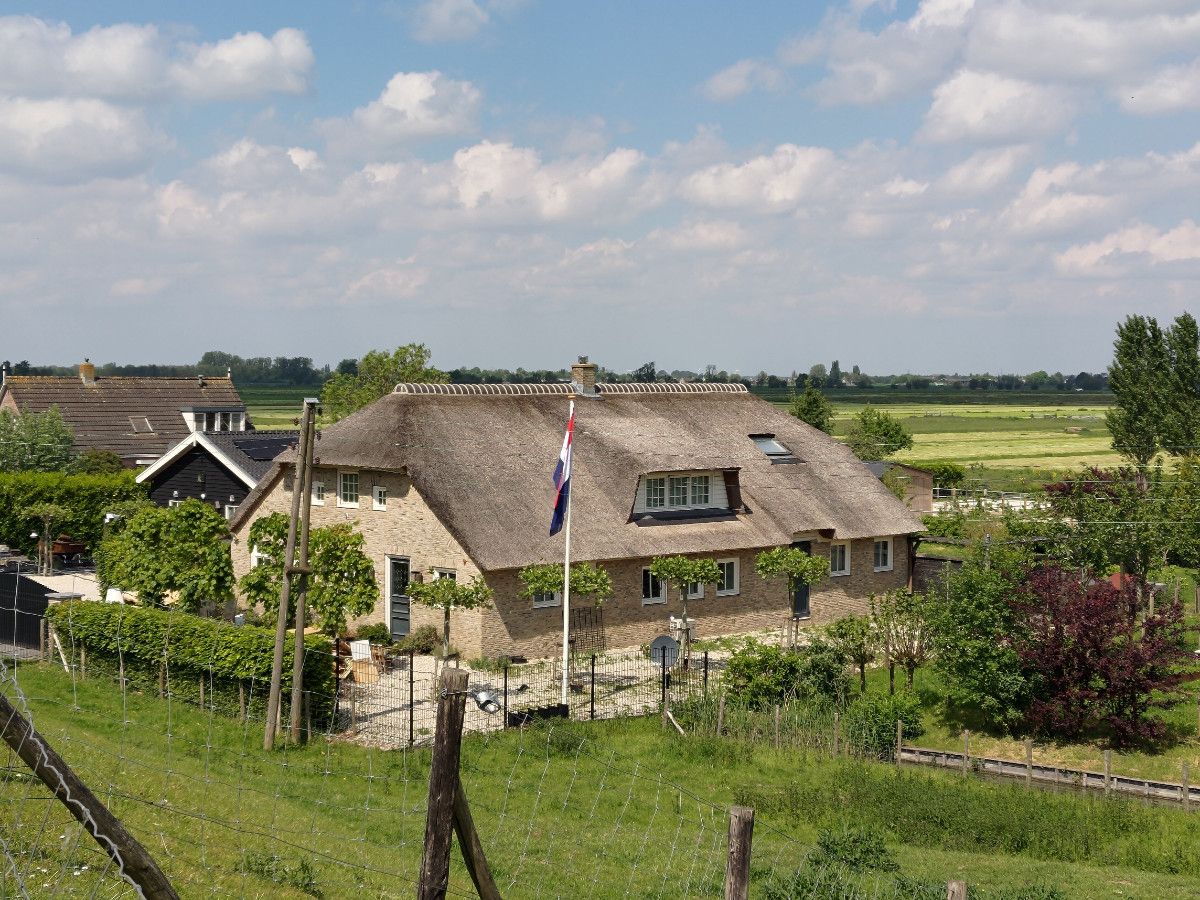
In this area of the Netherlands, a lot of houses and farm buildings have thatched roofs including new buildings. A lot of small farms and a lot of small farming and business enterprises dotted all over the countryside, often in close proximity to each other. All connected by narrow roads and water channels. You can see a glimpse of a channel in the backyard of this house. There is almost nowhwere where you can't see water.
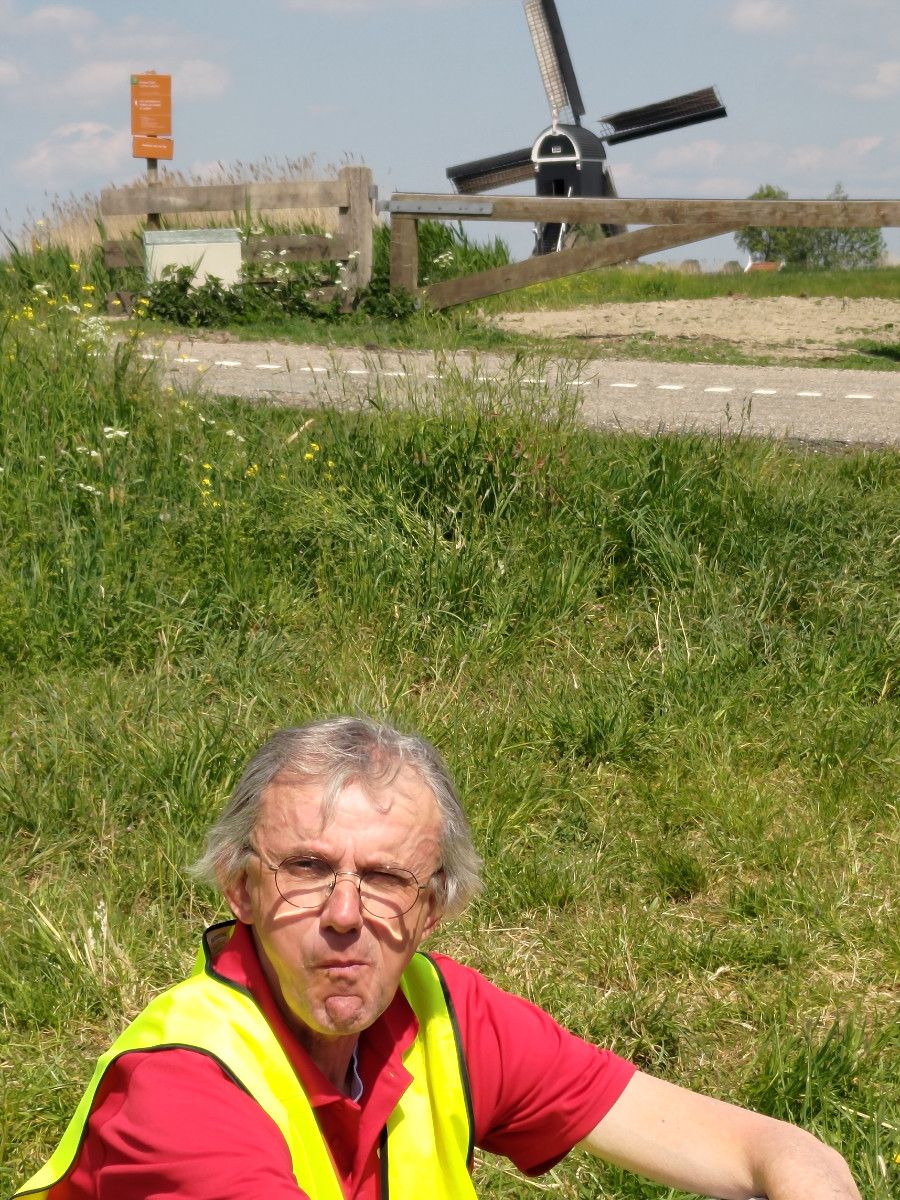
Our fearless leader, Ari, near the start of the windmill district.
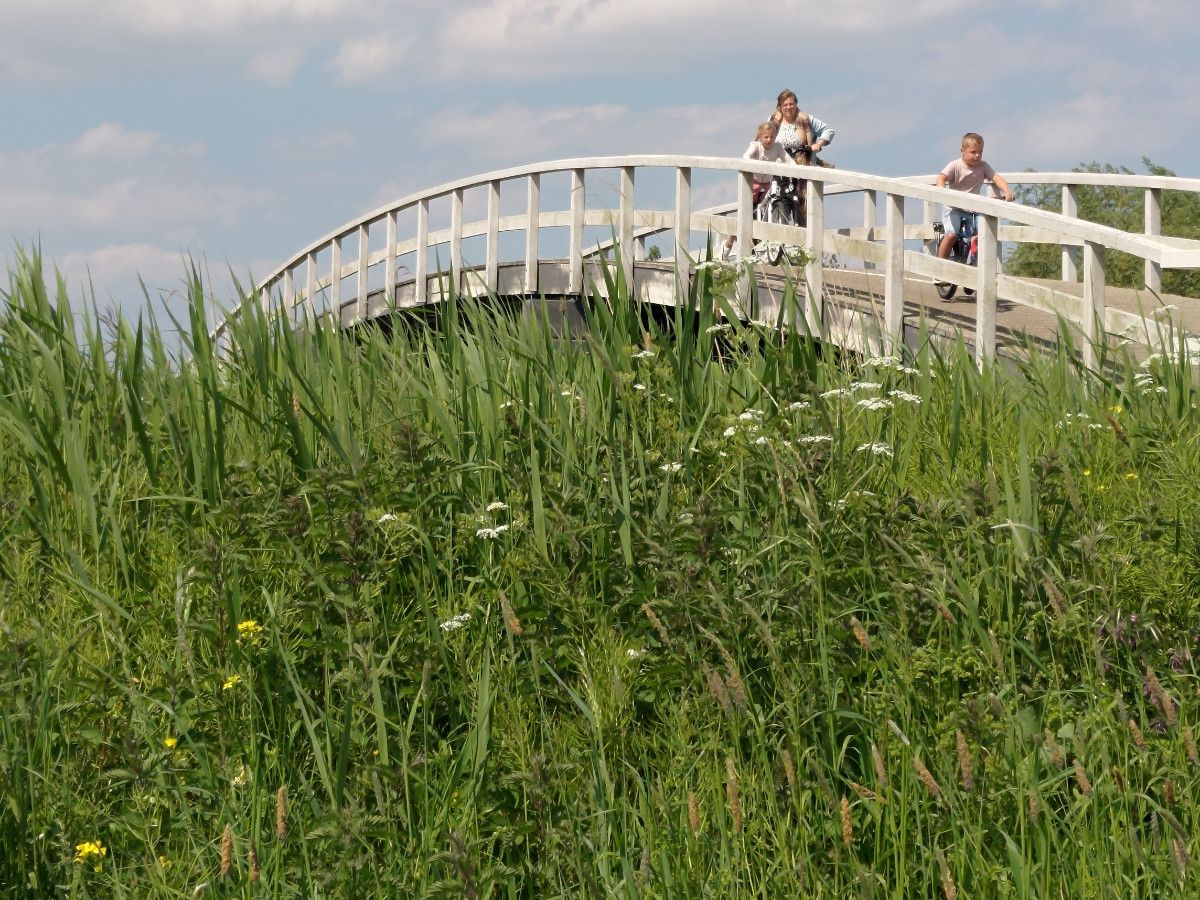
A typical scene from our bike paths and roads. Whilst ever there are channels, there are bridges and heaps of them. And there are people on bikes everywhere. Bikes in all shapes and sizes ridden by people of all shapes and sizes.
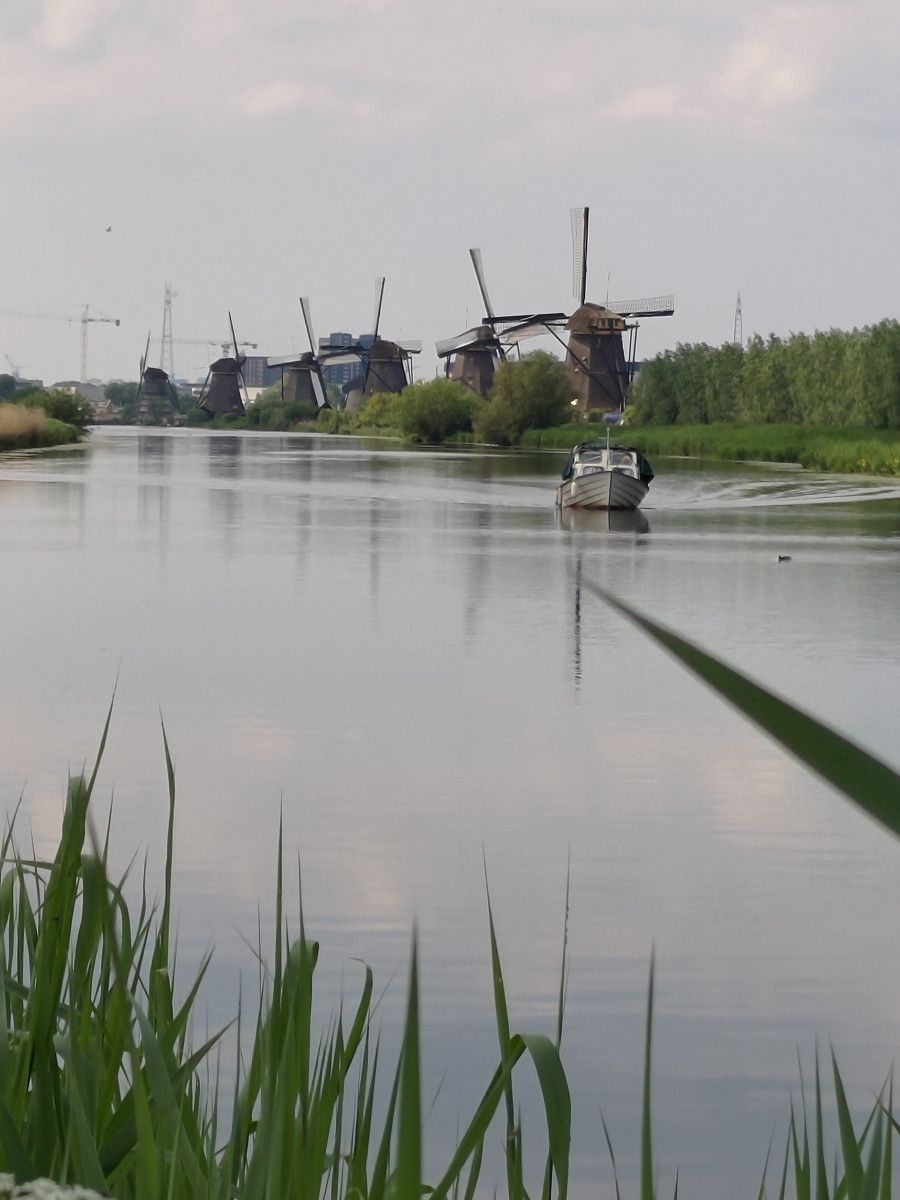
Entering the area of Kinderdyke, literally, child dyke. A local legend held that a small child was found amound the reeds in this area in a basket, much like the biblical story, hence, Kinderdyke. Now a World Heritage Area,the windmills on either side of this channel were preserved once other means of pumping water took over completely after the war.
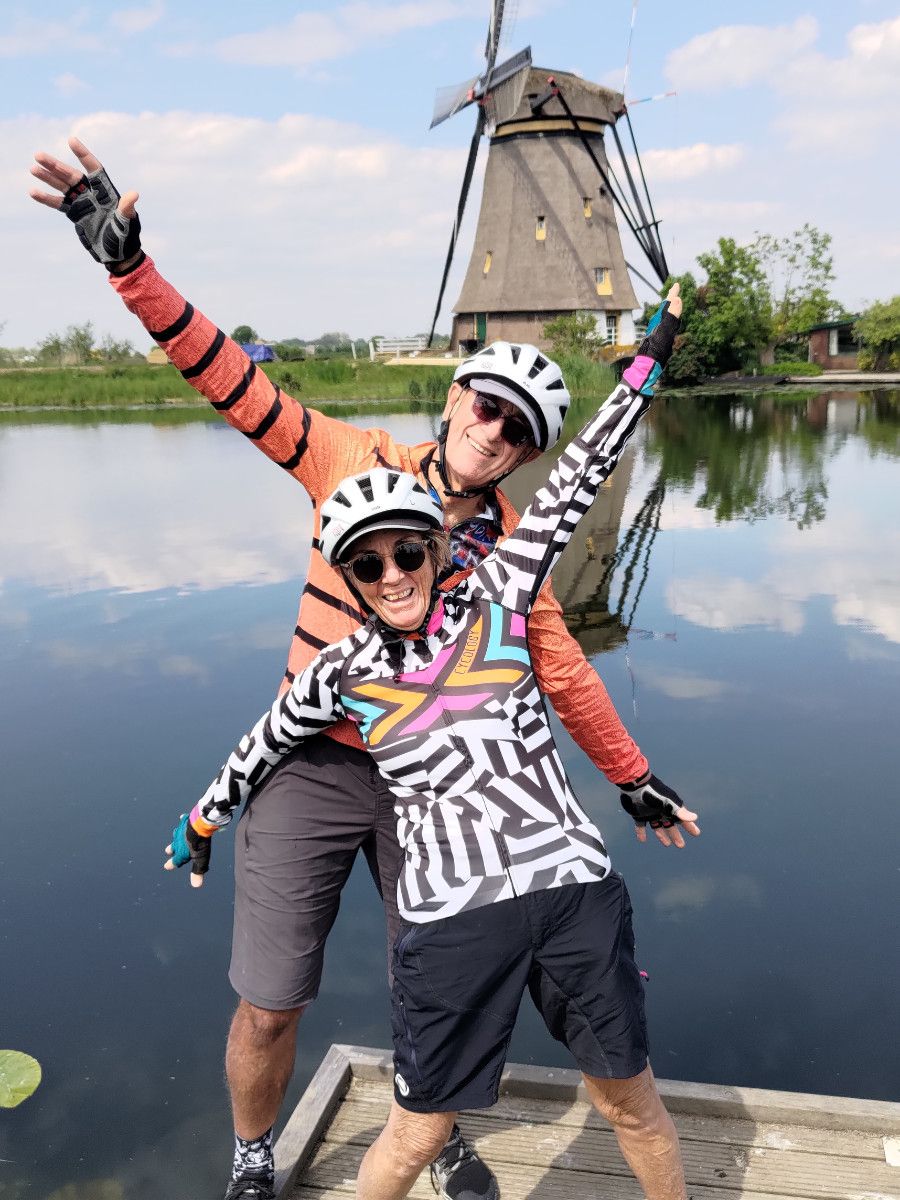
Not all windmills are permanent structures.
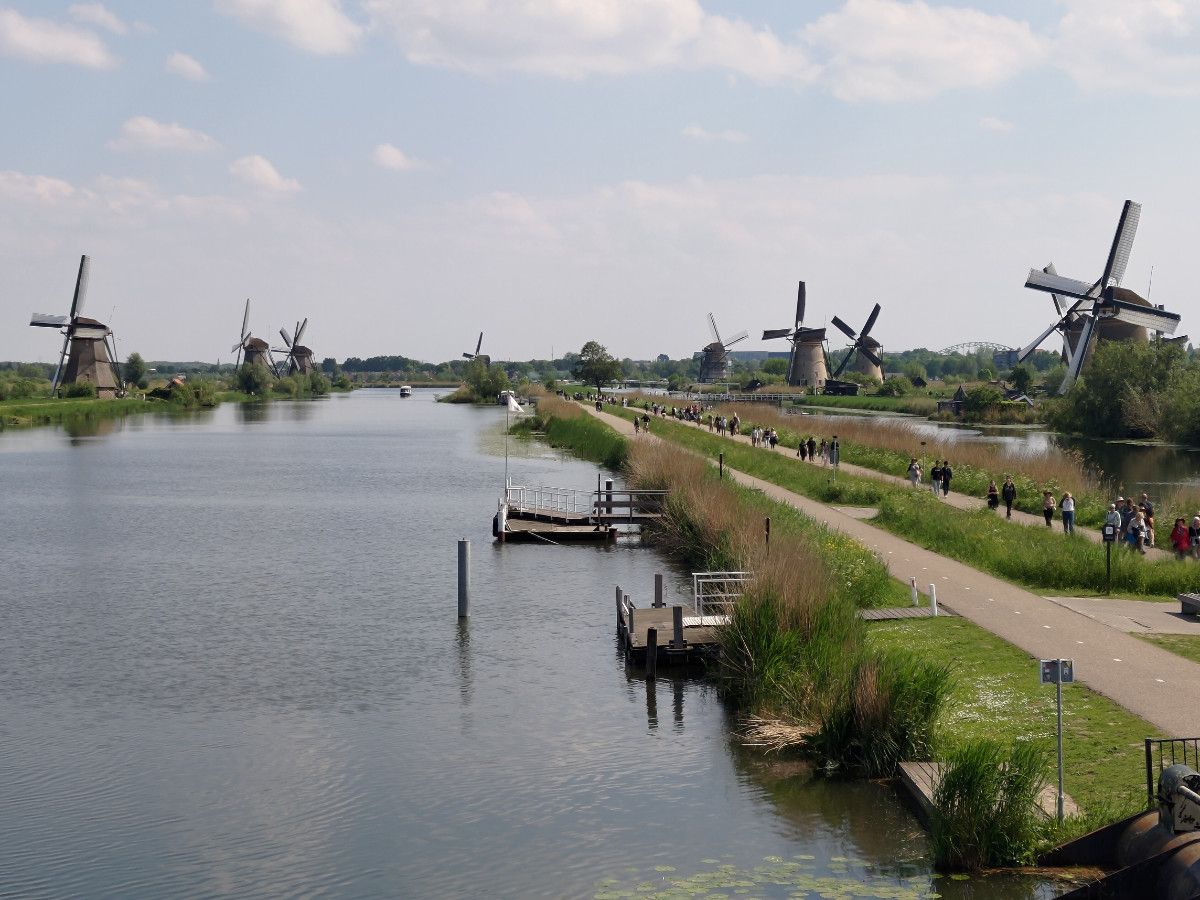
Many of the 16 or so windmills of the area can be seen here in this view from the visitor centre roof viewing area. The windmills on each side of the channel were managed by a different water authority (dating back to the 1600s) The ones on the left, whilst more ornate, were made of timber and thatch whilst the ones on the right are brick.
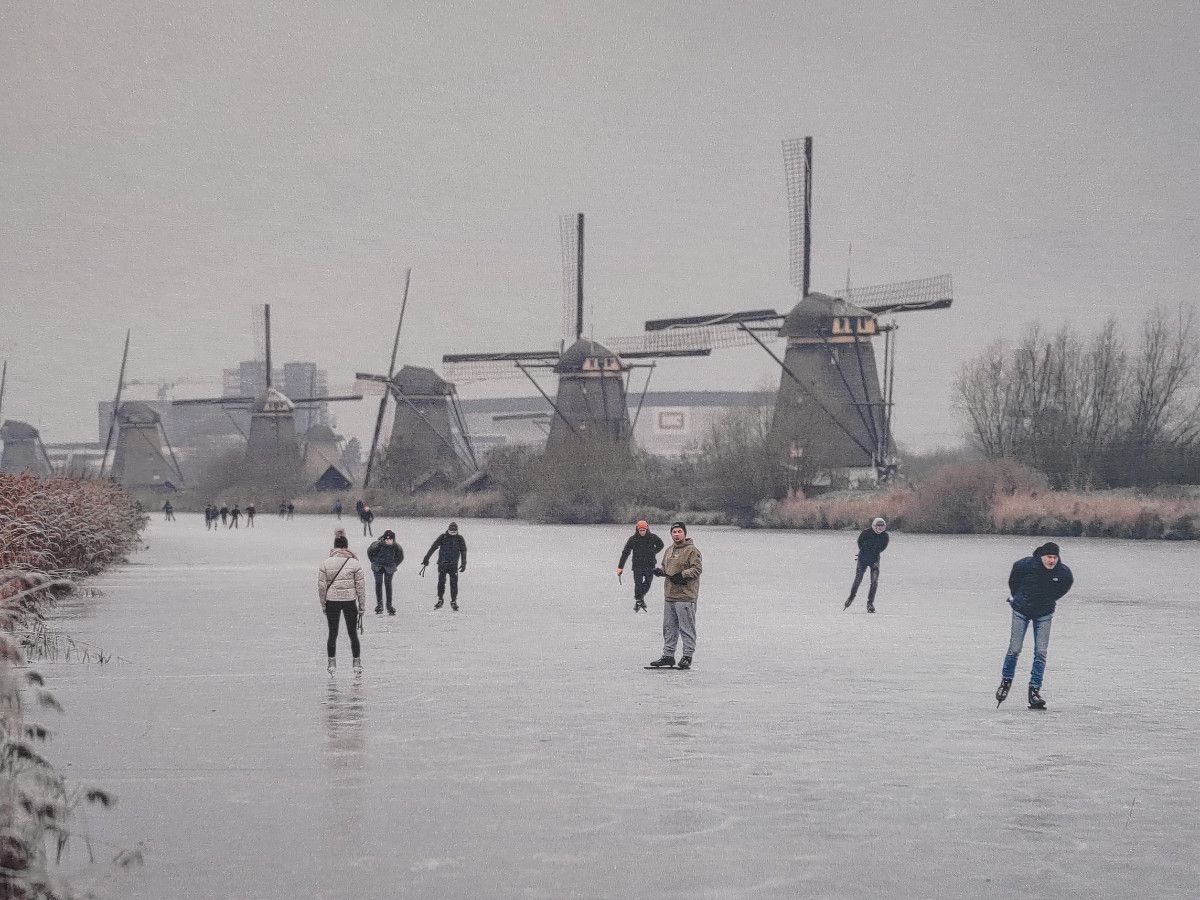 No, this was not happening whilst we were there, but this is a recent picture found on the walls of the museum. During the winter, the channels freeze over, suitable for ice skating. Apparently you can skate for 75 kilometers on the ice in winter. It's a very popular pastime.
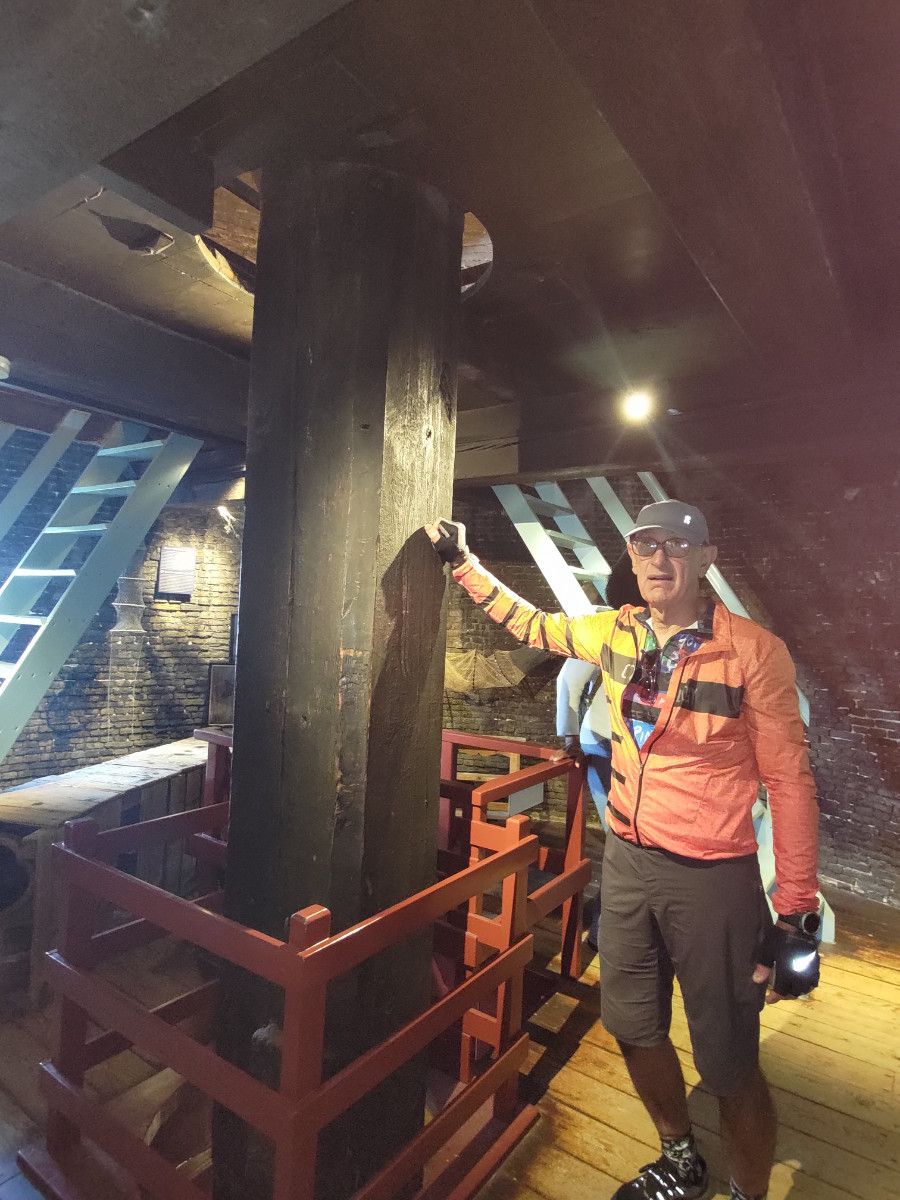
The main column upon which the top of the windmill rotates.
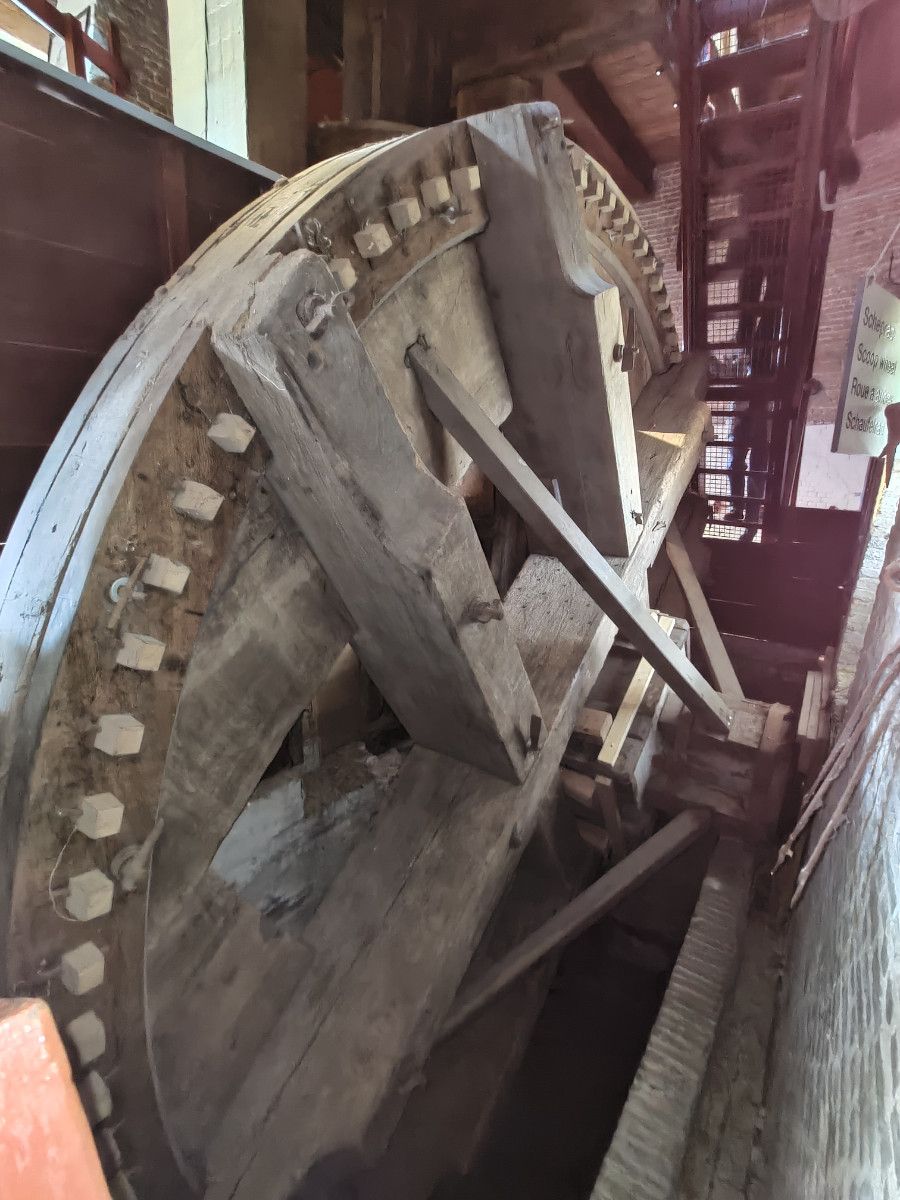
You can see the cogs in the main wheel which drives the water wheel, to transfer the water from the lowlands to the channels which are in the middle of the large dykes. This water transfer is how The Netherlands exists. Some of the channels are as wide as rivers, so the dykes can be very wide. They need constant maintenance so that they retain their structural integrity.
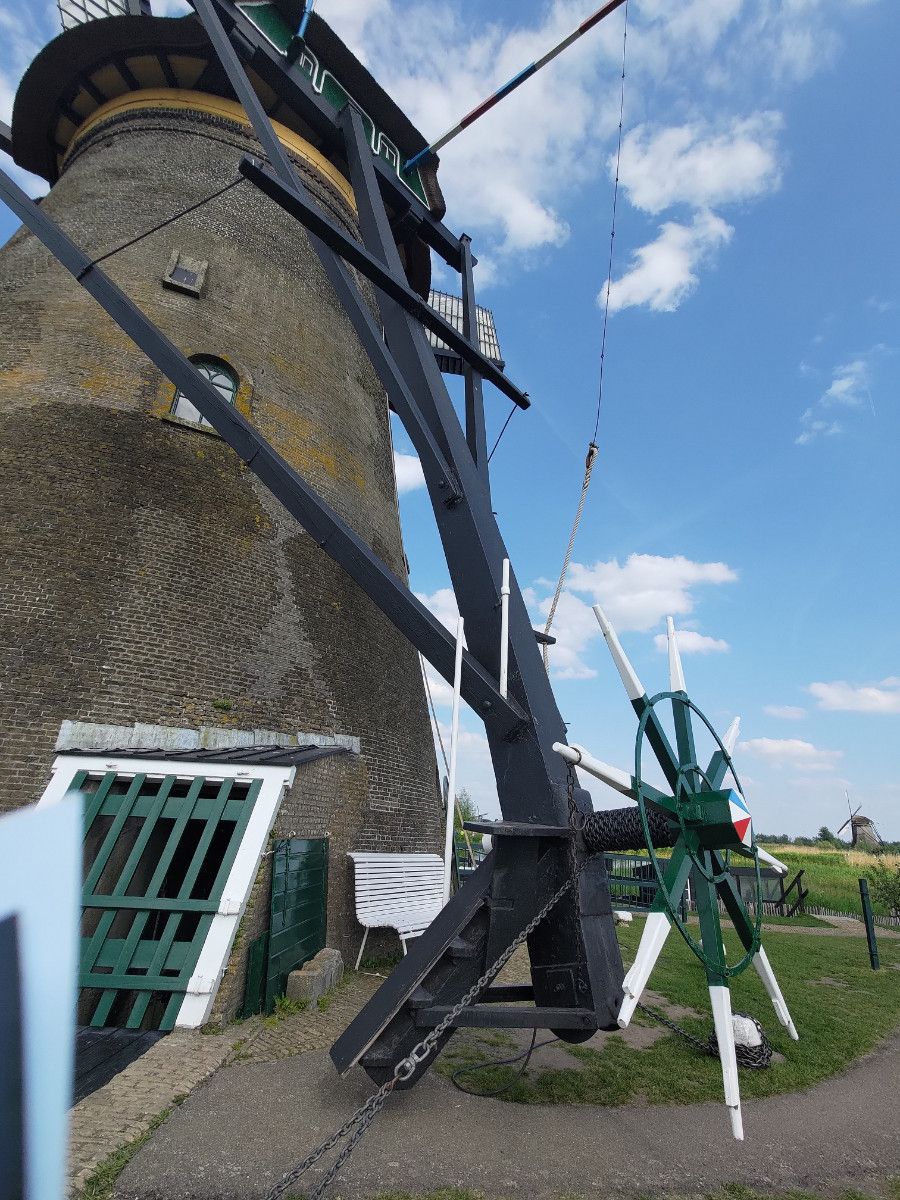
This wheel is uses to postion the windmill itself so that it catches the wind in an optimal way. When operating fully, a windmill would displace around 50 cubic meters of water in an hour. The new pumps with archimedes screws can pump 15,000 cubic meters in an hour.
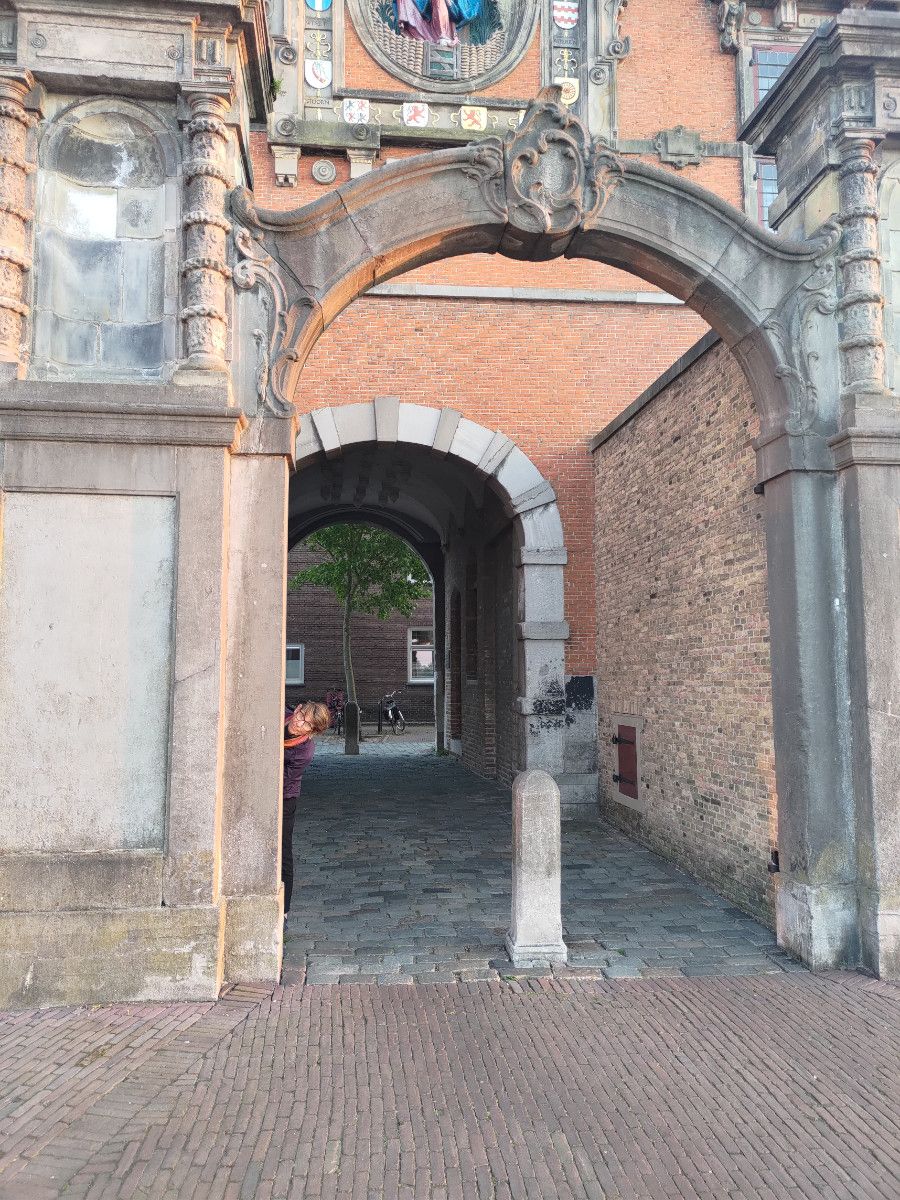
This is the old entracne to Dordrecht from their main canal. Mainly wine from France would come in where it would be blended and resold.
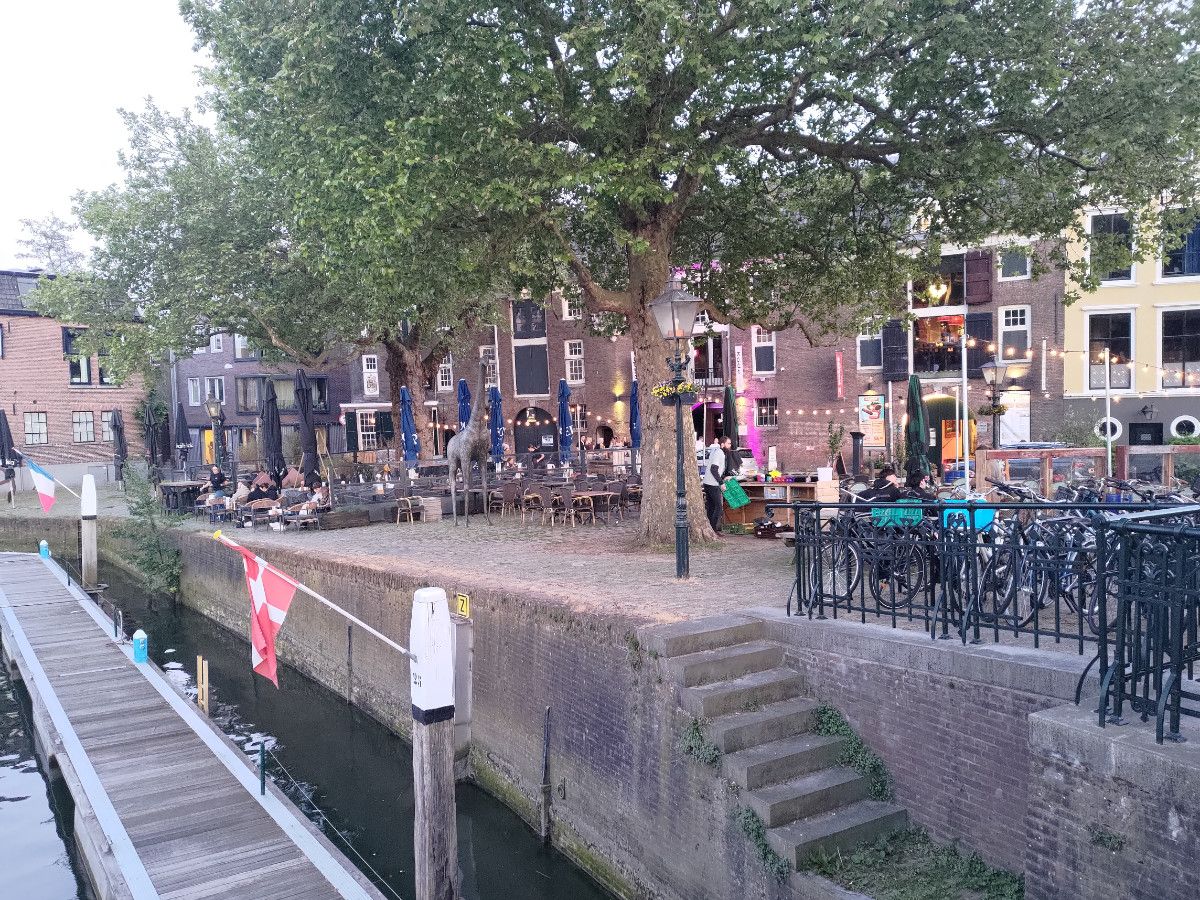
A typical scene of an old villlage - a canal and some cafes.
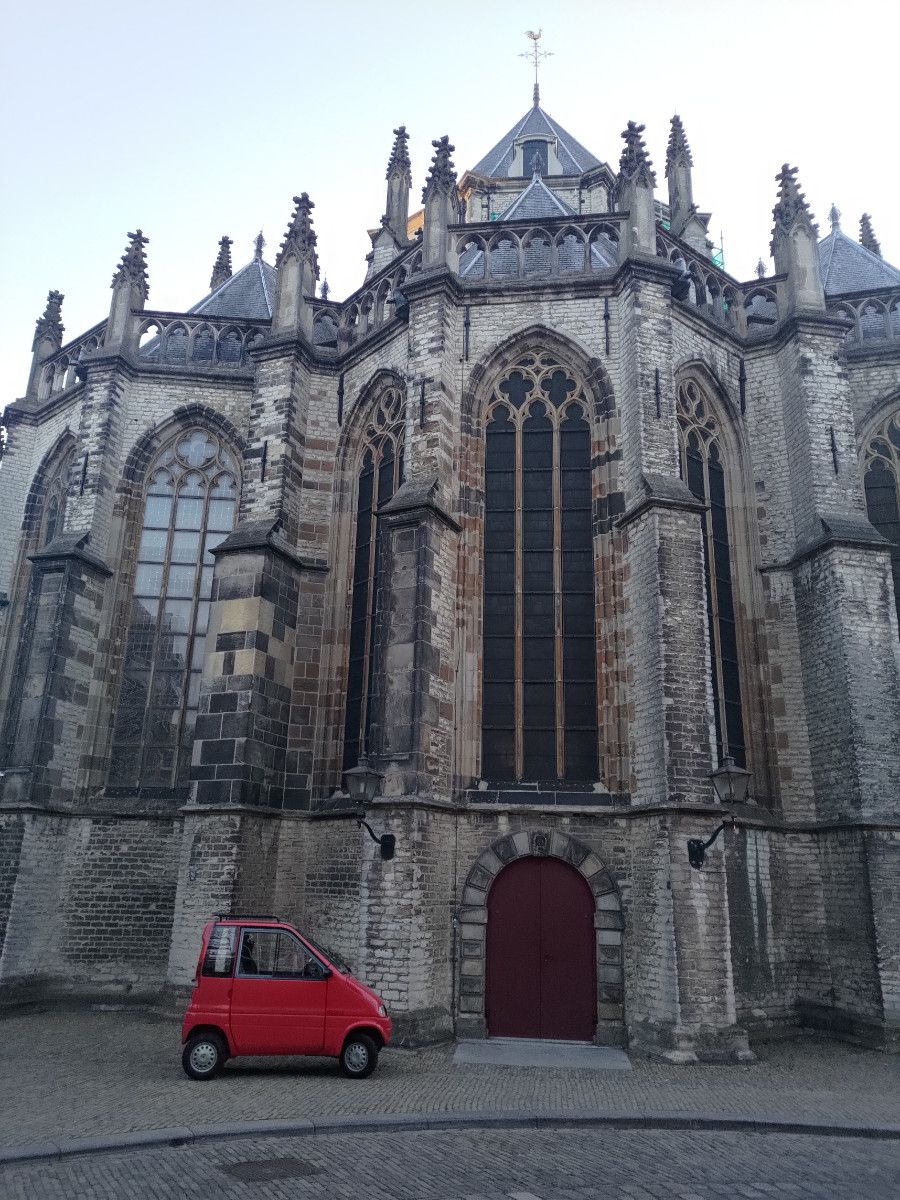
SOme random Cathedral in Dordrecht.A lot of Gothic cathedrals in The Netherlands and Belgium
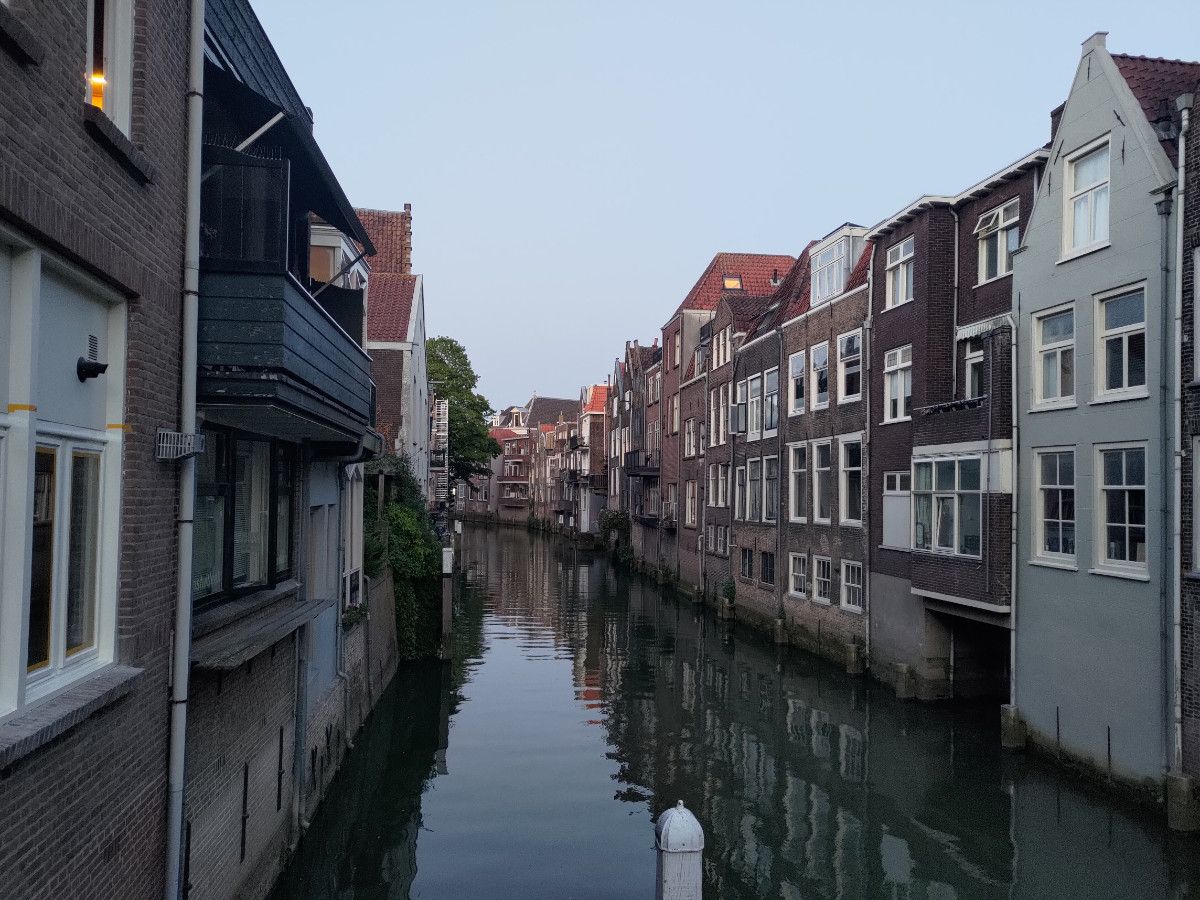
Another typical canal scene
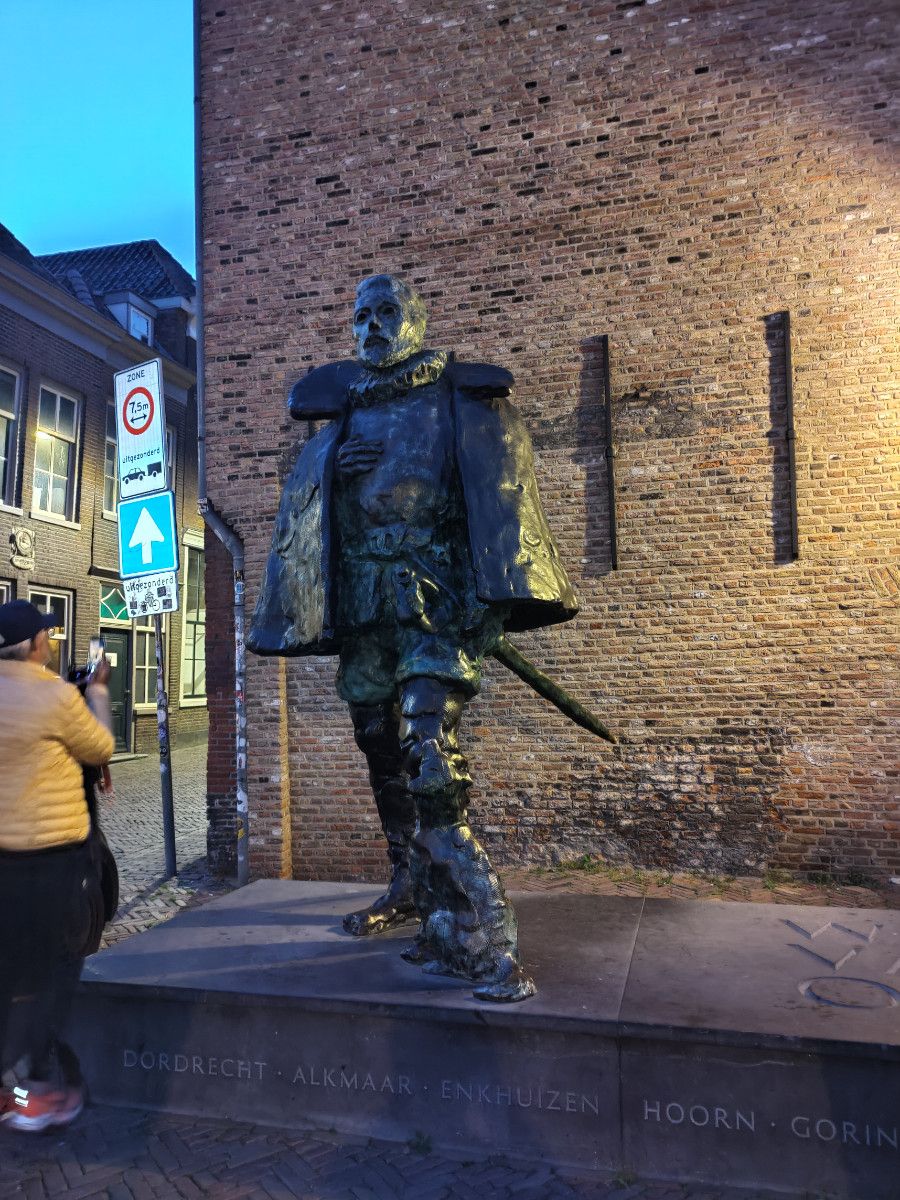
William of Orange was the Father of the Netherlands and had his origins in Dordrecht. He was central in the emancipation of what was then Holland, from the occupying Spanish.
Ride Notes
It might appear there were a couple of hills, but you'd be wrong. Very small increases in heights, on one occasion going from a channel to a lower lying area.